
Kostner Josef
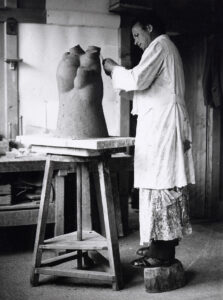
Josef Kostner (1933–2017)
Born in Ortisei, Josef Kostner was one of the most charismatic and unconventional figures of contemporary Ladin culture. A versatile artist, he worked as a sculptor, draftsman, poet, and researcher, distinguished by his radical and uncompromising approach.
The Artistic Revolution Trained in the art schools of Val Gardena, Kostner soon rebelled against the local tradition of woodcarving, which he considered too closely tied to the commercial market and sacred craftsmanship. In the 1950s, he was among the founders of the Ruscel group, aiming to modernize Alpine artistic language. His artistic maturity was marked by the use of concrete, a material he used to create gaunt, tormented human figures that expressed the anxiety, pain, and dignity of modern existence.
Bond with Land and Language Kostner was not only a visual innovator but also a pillar of Ladin literature. His poems are celebrated for their bluntness and their ability to denounce the greed of the modern world that threatened the roots of his community. In parallel, he carried out monumental work in recovering toponymy: through interviews with shepherds and farmers, he saved the historical place names of Val Gardena from oblivion, publishing maps that are today considered fundamental documents.
Legacy A teacher for twenty years at the art schools of Selva and Ortisei, he influenced generations of artists. His life was a constant exercise in cultural resistance: he defended nature and the Ladin language against the aggressive transformations of tourism, becoming a symbol of art as a primary civil and moral commitment.

